
Introduction Infrastructure development stands as a monumental, and often debated, legacy of the American colonial period in the Philippines (circa 1898-1946). Far from being a passive administrative presence, the American regime actively embarked on a large-scale program to transform the physical landscape of the archipelago. This initiative was not merely about building roads and bridges;…
Tag: Philippine economy

Filipino Sari Sari Store: A Microcosm of Philippine History, Economy, and Culture
The Filipino Sari Sari Store is more than just a retail outlet; it’s a ubiquitous landmark woven into the very fabric of Filipino life. Found on nearly every street corner, from bustling urban centers to remote rural barangays, these small, often family-run shops are vibrant centers of commerce, community, and culture. Their brightly colored facades,…
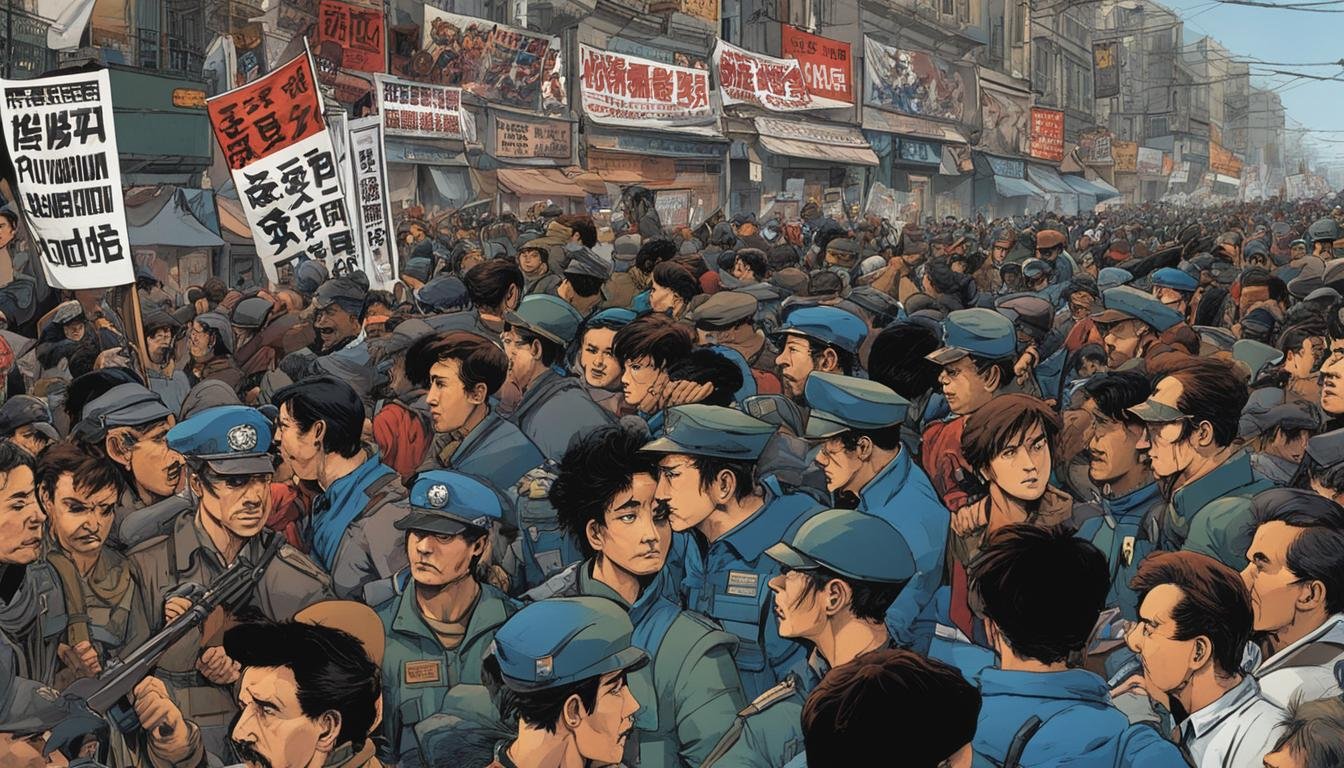
Marcos Calls Snap Election in Bid to Retain Power
Marcos Calls Snap Election in Bid to Retain Power: A Nation on the Brink The twilight months of 1985 found the Philippines teetering on the edge. Two decades under the iron fist of President Ferdinand Marcos had transformed the nation. What began with promises of progress had devolved into authoritarian rule under Martial Law Philippines,…

The Bell Trade Act and the Parity Amendment: Controversial Agreements between the PH and the US
The mid-20th century marked a pivotal, yet complex, period in Philippine history. Emerging from the devastating crucible of World War II, the nation stood on the cusp of formal independence from the United States. However, this newfound sovereignty was immediately challenged and intertwined with a series of agreements that would profoundly shape the Philippines’ economic…
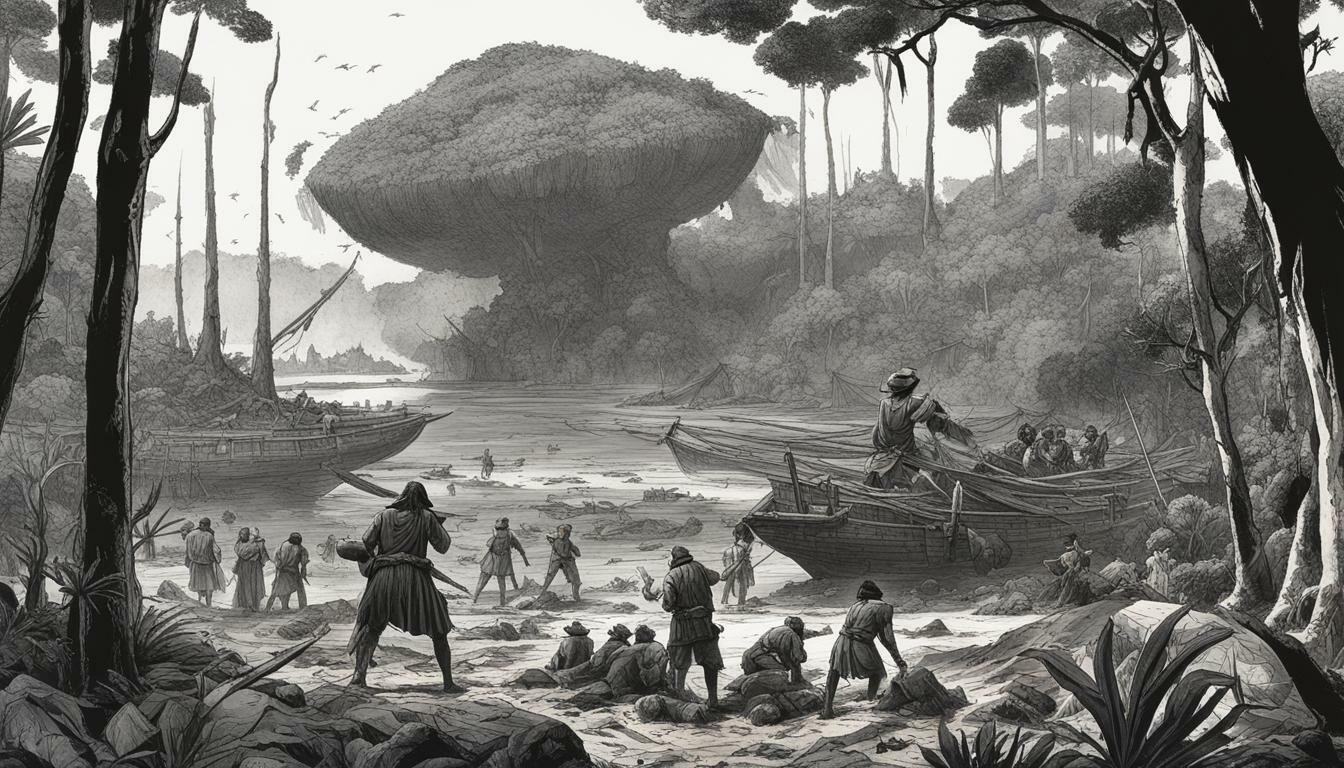
Exploitation of the Philippines Natural Resources by the Spanish Colonizers
The history of the Spanish Colonial Period Philippines, spanning over three centuries from the arrival of Ferdinand Magellan in 1521 to the end of Spanish rule in 1898, is intrinsically linked to the exploitation of Philippines natural resources by the Spanish Colonizers. Driven by mercantilist ambitions, the Spanish Crown sought to extract wealth from its…

Diosdado Macapagal: The 9th President of the Philippines
The tapestry of Philippine history is woven with the threads of remarkable leaders, each leaving an indelible mark on the nation’s journey. Among these stands Diosdado Macapagal, the 9th President of the Philippines, a figure whose rise from humble beginnings to the highest office in the land continues to inspire. Known affectionately as the “Poor…
The Future of the Philippines: Challenges and Opportunities
The Philippines stands at a crossroads, where challenges and opportunities shape its path forward. From economic growth to cultural influences, the nation is navigating a dynamic landscape. Projects like the KC National Community Driven Development Project have already transformed millions of lives, showcasing the potential for progress. Global trends, including technology and entertainment, play a…

The Impact of Population Growth on Philippine Resources
The Philippines, like many nations, faces significant challenges due to the increasing number of people. From 1 billion globally in 1800 to an estimated 8.2 billion by 2025, the world has seen a dramatic rise in inhabitants. This trend has profound effects on natural resources, infrastructure, and the economy. In the Philippines, the rapid rise…

The Growth of the Philippine Economy in the 1950s
The 1950s marked a pivotal era for the Philippines as the country emerged from the shadows of World War II. This decade saw a remarkable transformation, driven by increased production and renewed growth. The nation began to rebuild its industries, setting the stage for a brighter future. Key indicators, such as GDP per capita, reflected…
Seas of Commerce: The Impacts of the Manila-Acapulco Trade in the Philippines Economy – Economic Impact
The Manila-Acapulco trade connected the Philippines with New Spain across the Pacific. It started in 1565 and ended in 1815, lasting 250 years12. Over 100 galleons sailed each year at its peak1. This trade moved silver and valuable goods. It grew local industries and shaped colonial markets. How to Explore the Foundations of the Galleon…