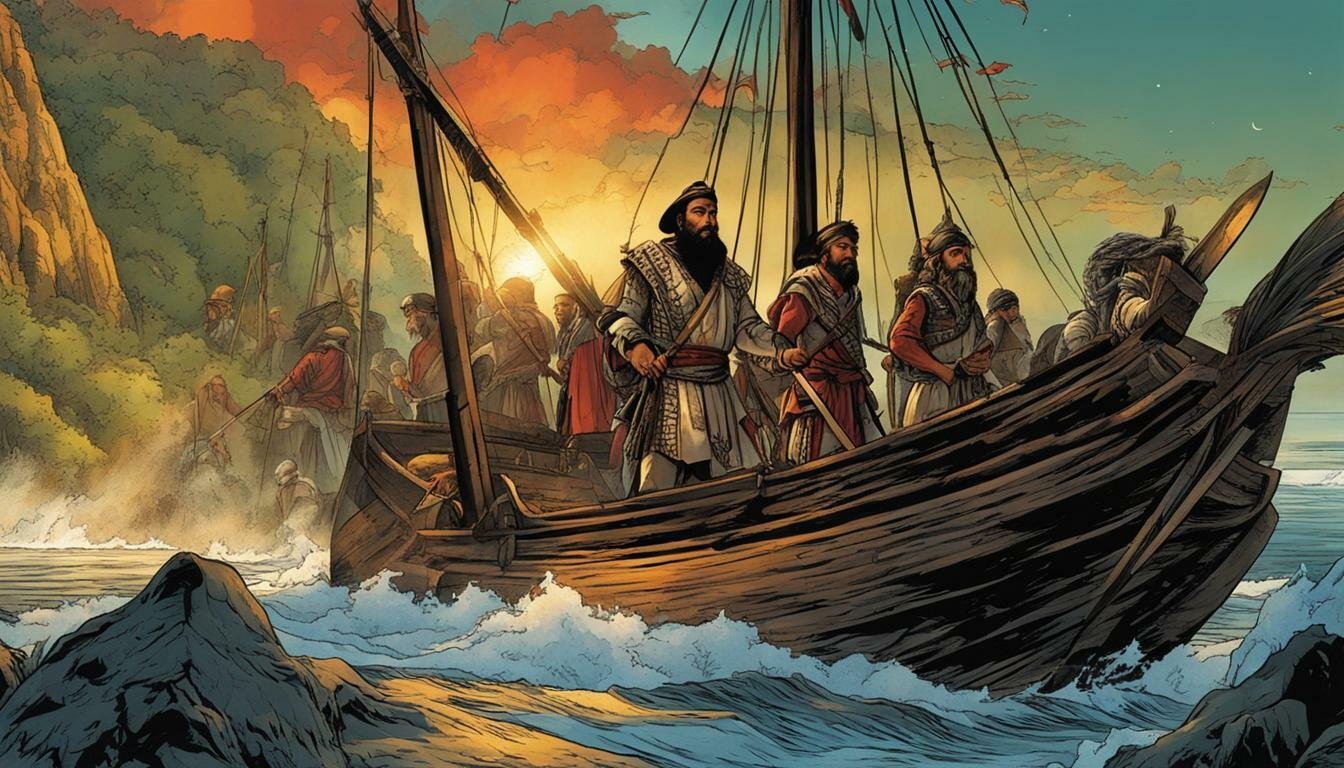
The Philippines, an archipelago nation steeped in rich history and diverse cultures, possesses a martial heritage as intricate and resilient as its people. Filipino Martial Arts (FMA), often collectively known as Arnis, Eskrima, or Kali, represent far more than mere fighting techniques; they are living embodiments of the nation’s turbulent past, its struggle for survival,…

Tag: Pre-Colonial Philippines
Datu Puti of Borneo
The narrative of Datu Puti of Borneo stands as one of the most enduring and evocative tales within the tapestry of Philippine pre-colonial history. As recounted primarily in the Maragtas, an important work compiling Visayan oral traditions, Datu Puti is portrayed as the leader of a group of ten Bornean datus who migrated to the…
Discovering Legazpi’s Expedition to the Philippines 1565
The year 1565 marks a pivotal turning point in the history of the Philippines. While the arrival of Ferdinand Magellan in 1521 is often cited as the initial European contact, it was the Legazpi’s Expedition in 1565, led by Miguel López de Legazpi, that initiated the enduring era of Spanish colonization Philippines. This voyage was…
Legazpi: The Explorer Who Colonized the Philippines and Established Trade Routes
The 16th century marked a period of intense European exploration, driven by a quest for new lands, resources, and trade routes. Following Christopher Columbus’s “discovery” of the Americas, Spain turned its gaze westward across the vast Pacific Ocean. Its objective: to reach the fabled Spice Islands of Southeast Asia and secure a foothold in the…
Baladhay: The Trusted Adviser of Rajah Humabon
The annals of Philippine history are rich with accounts of valiant chieftains, intricate societies, and pivotal cultural cultural encounters that shaped the archipelago long before the arrival of European powers. Among the most dramatic and well-documented of these encounters is the arrival of the Magellan expedition in 1521, led by the Portuguese explorer Ferdinand Magellan,…
Who is Rajah Humabon of Cebu?
In the annals of Philippine history, few figures stand as enigmatically at a historical crossroads as Rajah Humabon of Cebu. His name is inextricably linked with a pivotal moment: the arrival of Ferdinand Magellan in 1521, an event that marked the first significant contact between the indigenous peoples of the archipelago and European explorers, setting…
Unraveling the Incredible Journey of Ferdinand Magellan and His Demise from the Natives
The tapestry of world history is woven with threads of exploration, ambition, and conflict. Among the most significant, yet fraught, is the narrative of Ferdinand Magellan and his audacious attempt at the first circumnavigation of the globe. While his name is etched into history books for initiating this monumental voyage during the Age of Exploration,…
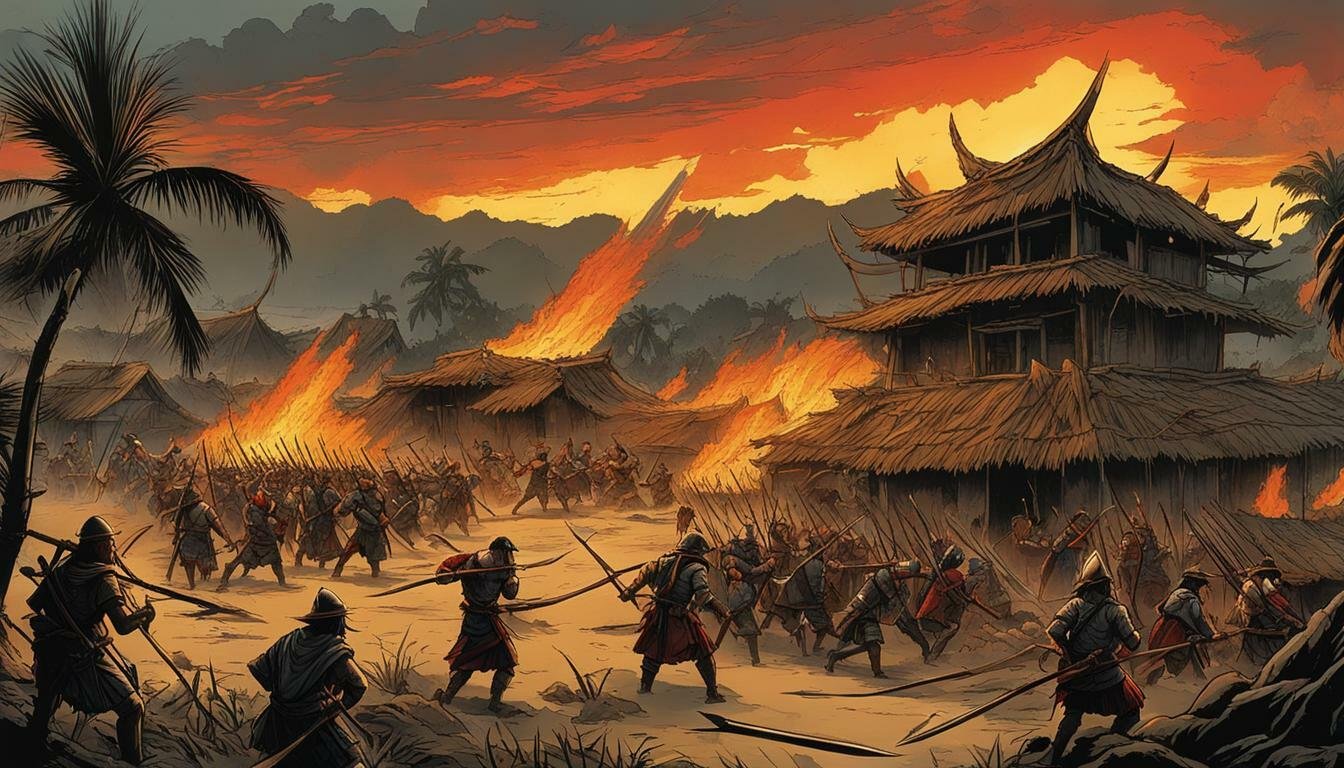
Philippine Pre-Colonial Scorched Earth Tactics
The history of the Pre-colonial Philippines is a rich tapestry woven from the practices, beliefs, and conflicts of diverse indigenous societies. Before the arrival of European colonizers, these islands were home to numerous communities, often organized into autonomous units known as Barangay, each led by a Datu or chieftain. Life was characterized by complex social…
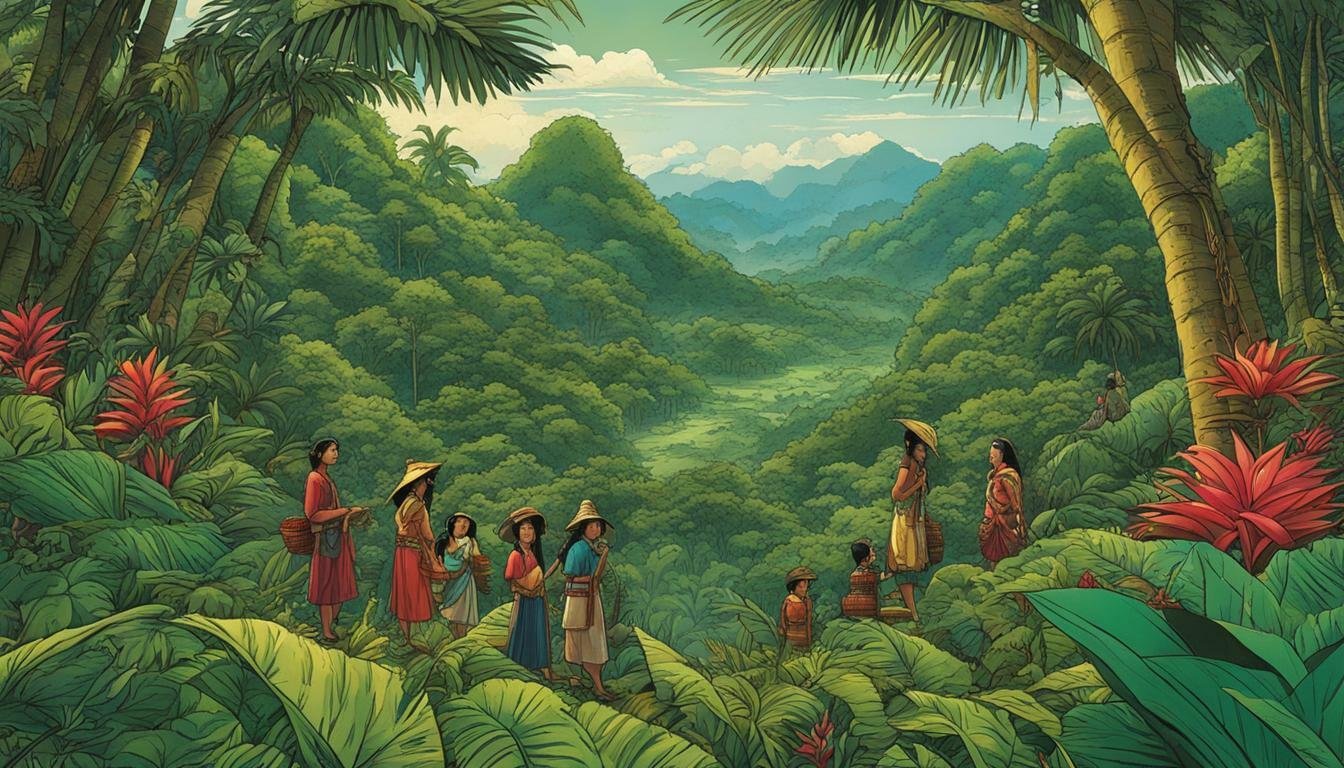
Philippine Ancestral Domains
The concept of land and its relationship to people holds deep cultural, historical, and spiritual significance across the globe. In the Philippines, this relationship is particularly complex, marked by layers of history, colonization, and the persistent assertion of identity by its original inhabitants. Central to this narrative are the Philippine Ancestral Domains, territories traditionally owned,…
William Henry Scott: A Renowned Historian of Philippine History
William Henry Scott stands as one of the most influential and respected historians of the Philippine History. His rigorous historical methodology and unwavering commitment to critically analyzing sources fundamentally reshaped our understanding of the islands’ past, particularly the period often obscured by the biases of colonial chroniclers – the pre-colonial Philippines. Scott was not just…