The annals of Philippine history are rich with stories of resistance against colonial powers. While the main narrative often focuses on the Katipunan’s revolution against Spain or the broader Philippine-American War, numerous regional conflicts and uprisings reveal the depth and complexity of the Filipino struggle for autonomy and identity. Among these often-overlooked chapters is the…
Author: R.M.C.Ablir
The Life and Legacy of Apolinario Mabini
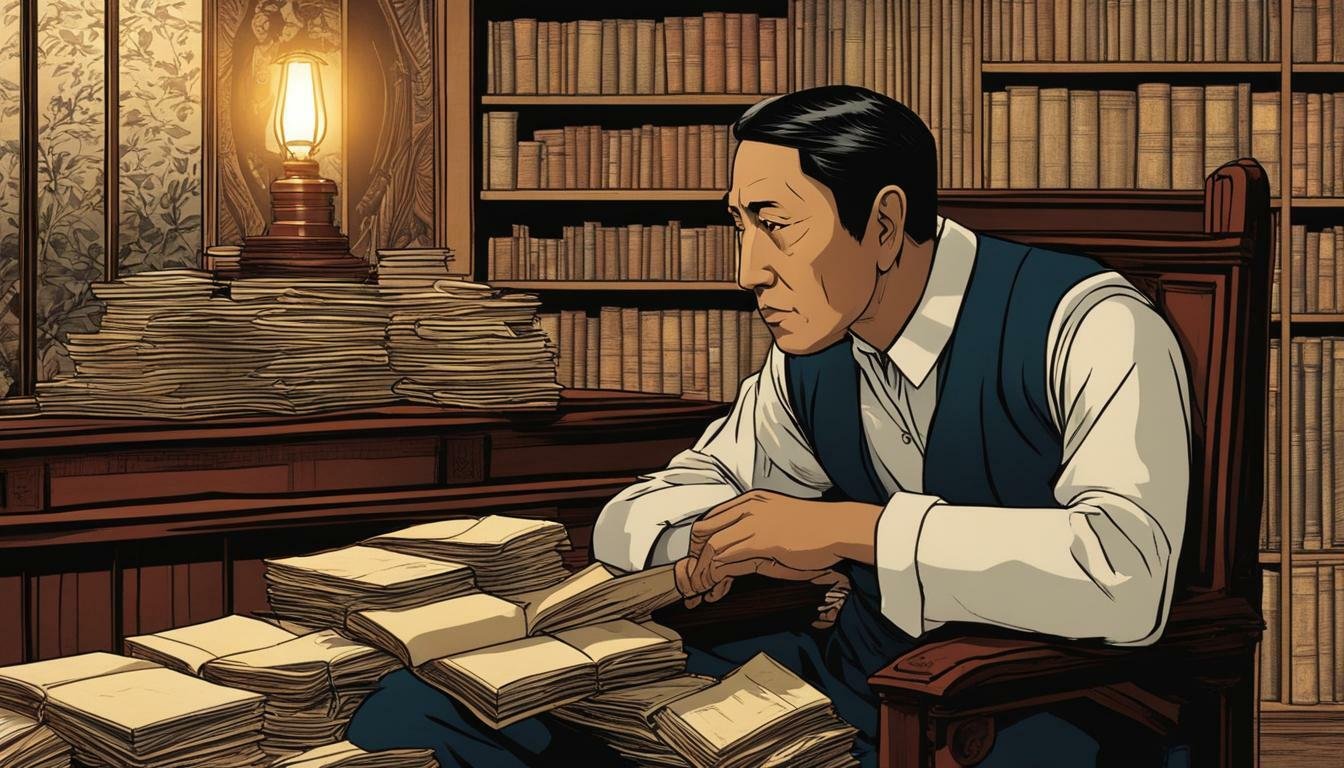
In the pantheon of Filipino heroes, few figures stand as intellectually towering or morally resolute as Apolinario Mabini. Often referred to by the evocative titles “Sublime Paralytic” and “Brains of the Revolution,” Mabini played an indispensable role during one of the most tumultuous and defining periods in Philippine history: the struggle for independence against Spain…
Unravelling the Epic Tale of Biag ni Lam-ang
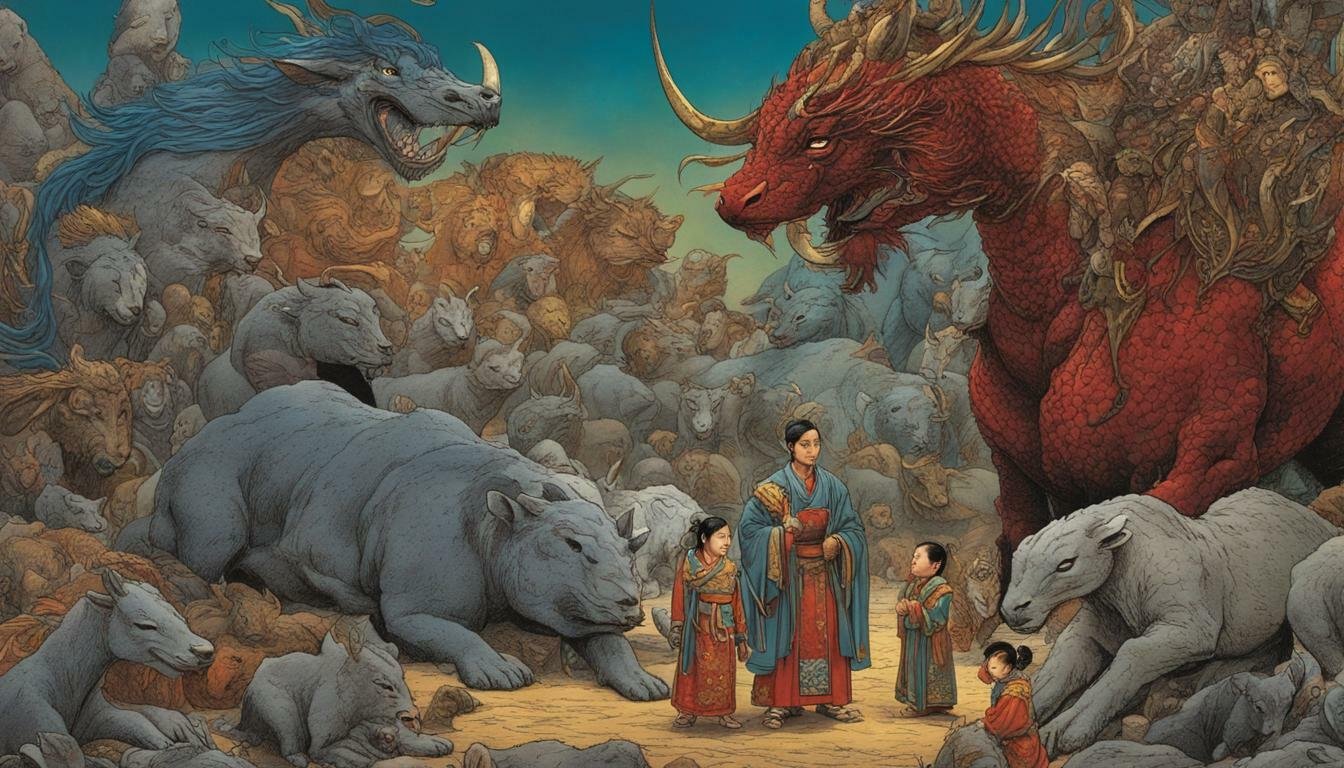
Step into a world woven from ancient chants and vibrant Ilocano literature, a realm where courage clashes with destiny, and magic intertwines with the mundane. We embark on a journey to unravel the epic tale of Biag ni Lam-ang, a cornerstone of Filipino epic poem tradition and a profound reflection of the archipelago’s rich cultural…
Singkil: Traditional Dance of the Philippines
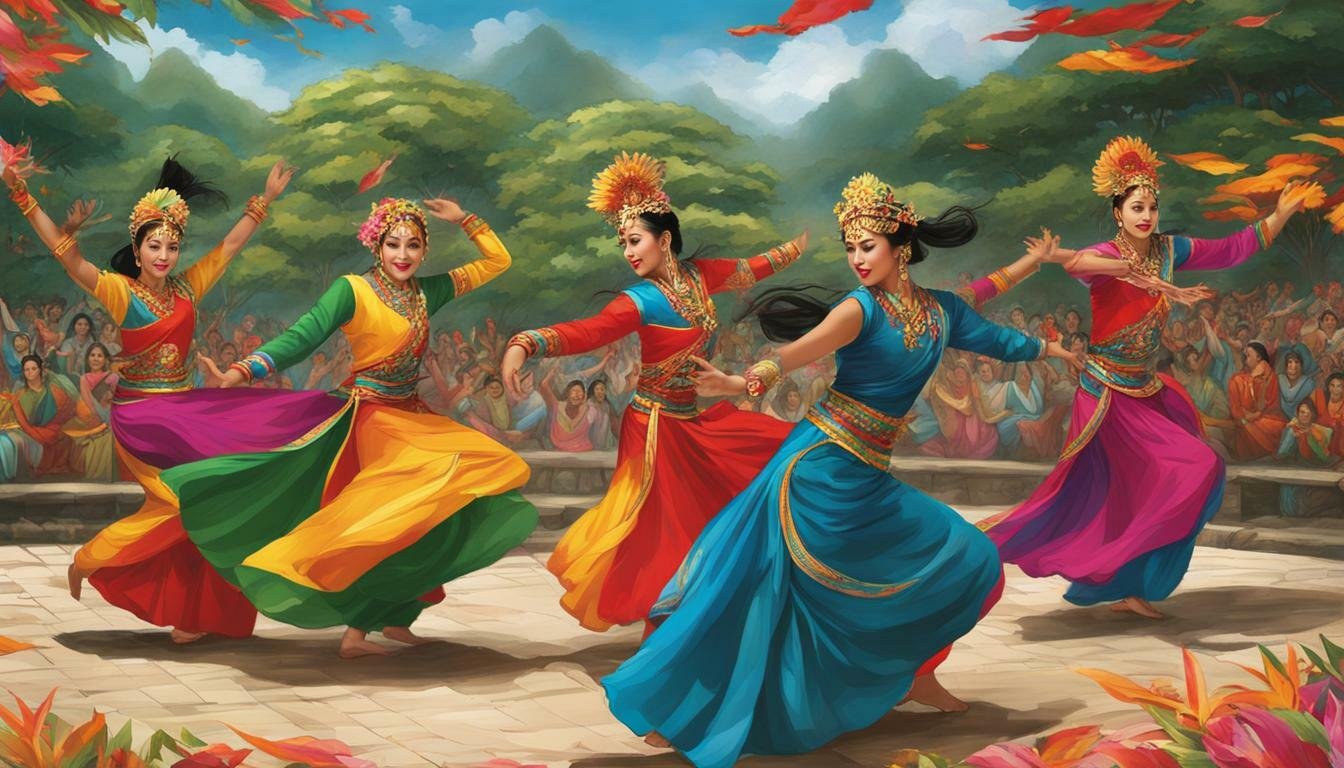
Step into the vibrant world of Philippine arts and culture, and you’ll inevitably encounter the mesmerizing Singkil, a traditional dance of the Philippines renowned for its elegance, complexity, and deep cultural roots. More than just movement, Singkil is a narrative woven with threads of royalty, myth, and the enduring spirit of the Maranao people of…
The Legacy of Bishop Miguel de Benavides
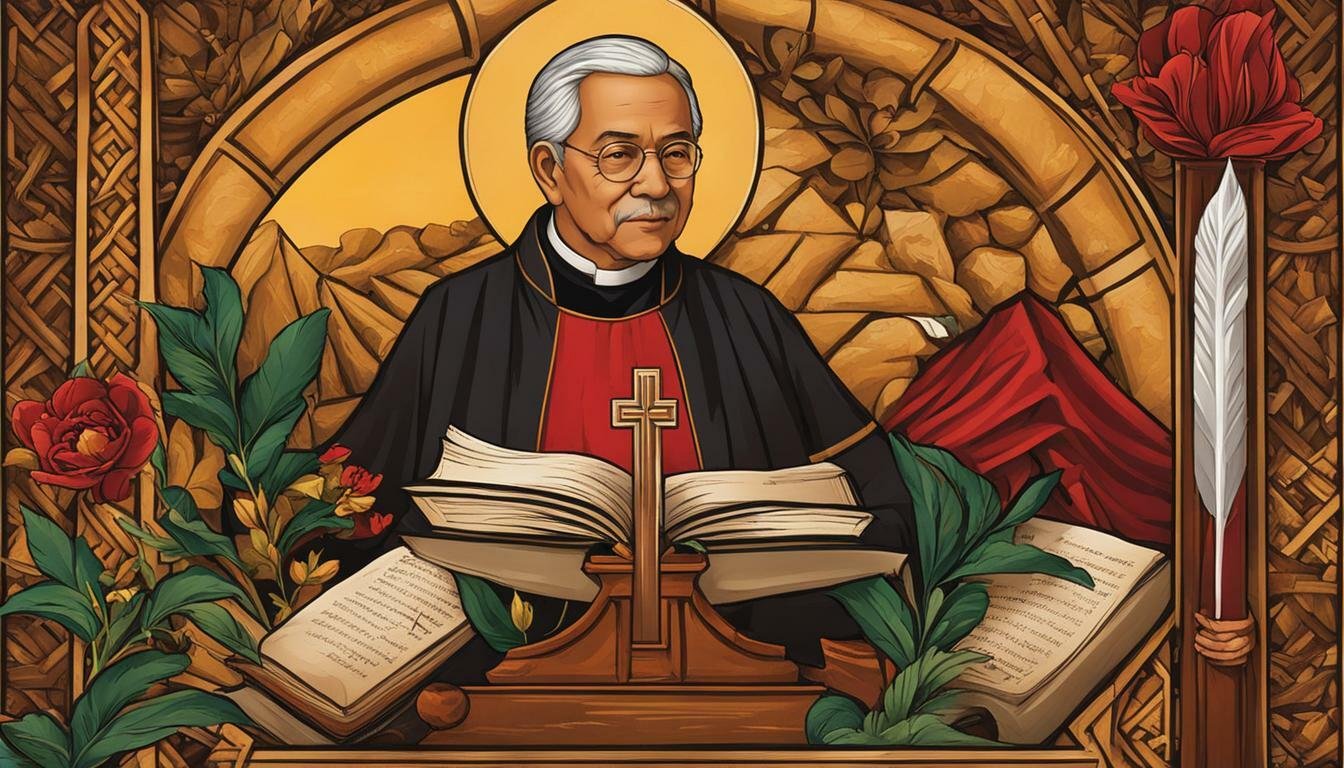
The tapestry of Philippine history is woven with threads of faith, conquest, resilience, and intellectual pursuit. Within this complex narrative, few figures cast as long a shadow as Miguel de Benavides y Añoza, O.P. His name is inextricably linked with the establishment of one of Asia’s most venerable institutions, yet his influence extends far beyond…
Discover Kulintang: The Traditional Musical Instrument of the Philippines
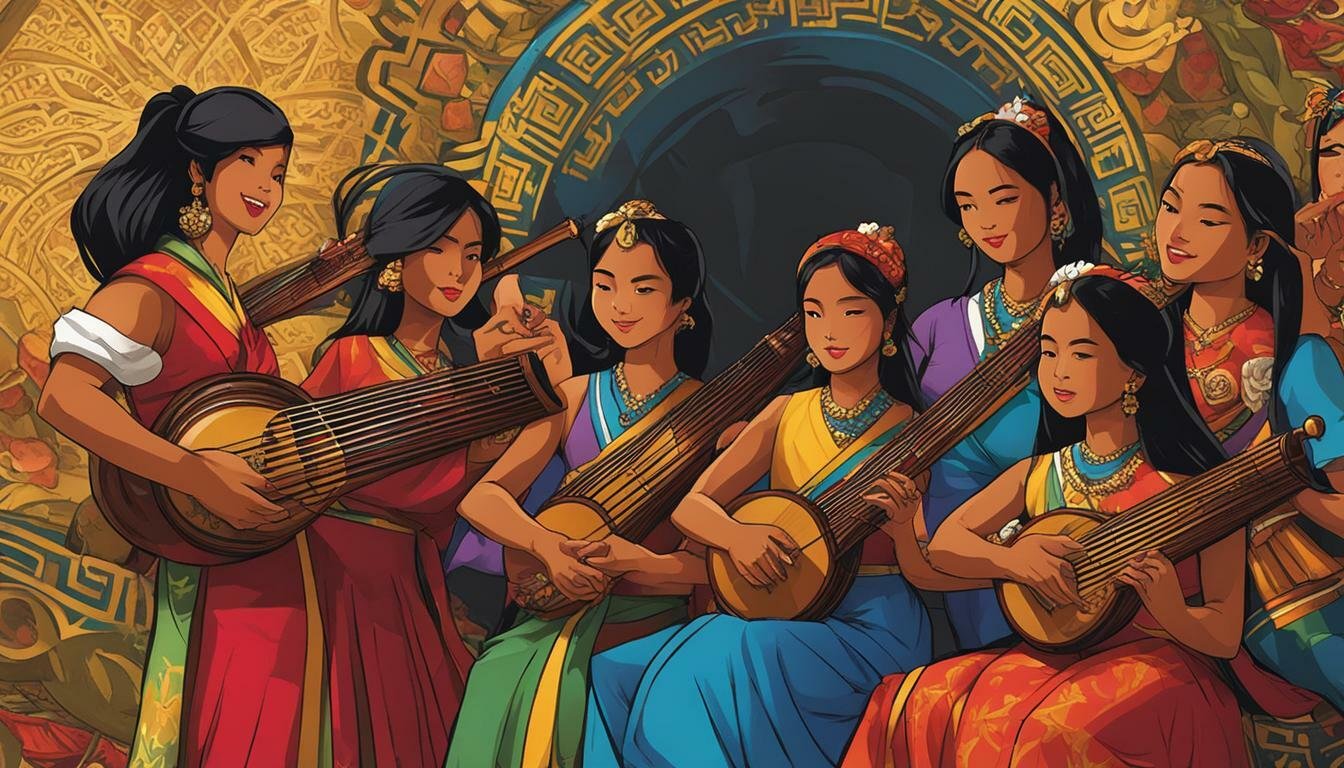
The Philippines, an archipelago brimming with diverse cultures and traditions, possesses a sonic landscape as rich and varied as its islands. Deep within this tapestry of sound lies Kulintang, a vibrant and ancient musical tradition centered around a traditional musical instrument of the Philippines that resonates with the history and spirit of its people, particularly…
Sandig, Kawal, and Tanods: Exploring Their Culture, History, and Prominence in Societal Dynamics
The Philippines boasts a rich and complex social fabric, woven with threads of tradition, resilience, and community spirit. Central to maintaining harmony and security within this dynamic society are various figures and concepts embodying protection, guardianship, and mutual support. Among these, Sandig, Kawal, and Tanods stand out, each representing distinct yet interconnected facets of community…
The Political and Economic Turmoil in the Philippines After Marcos Regime
Dawn of a New Era, Shadow of the Past The EDSA Revolution of February 1986 stands as a watershed moment in Philippine history. Millions of Filipinos, fueled by decades of discontent under Ferdinand Marcos Sr.’s authoritarian rule, converged on Epifanio de los Santos Avenue in a stunning display of non-violent People Power. The air crackled…
Exploring the Life and Legacy of Isabelo de los Reyes
Introduction Isabelo de los Reyes y Florentino, affectionately known as Don Belong, stands as one of the most complex, dynamic, and influential figures in Philippine history. His life journey traversed an astonishing array of fields, leaving an indelible mark on each. He was not merely one thing, but many: a pioneering journalist giving voice to…
The Class Divide Created by the Spanish Colonization
Introduction: Seeds of Inequality in Paradise Before the arrival of Ferdinand Magellan in 1521 and the subsequent colonization by Miguel López de Legazpi starting in 1565, the Philippine archipelago was a tapestry of diverse, self-governing communities known as barangays. Led by datus or chieftains, these societies possessed their own distinct social structures. While hierarchy existed…